


Overview services
Skin renewal
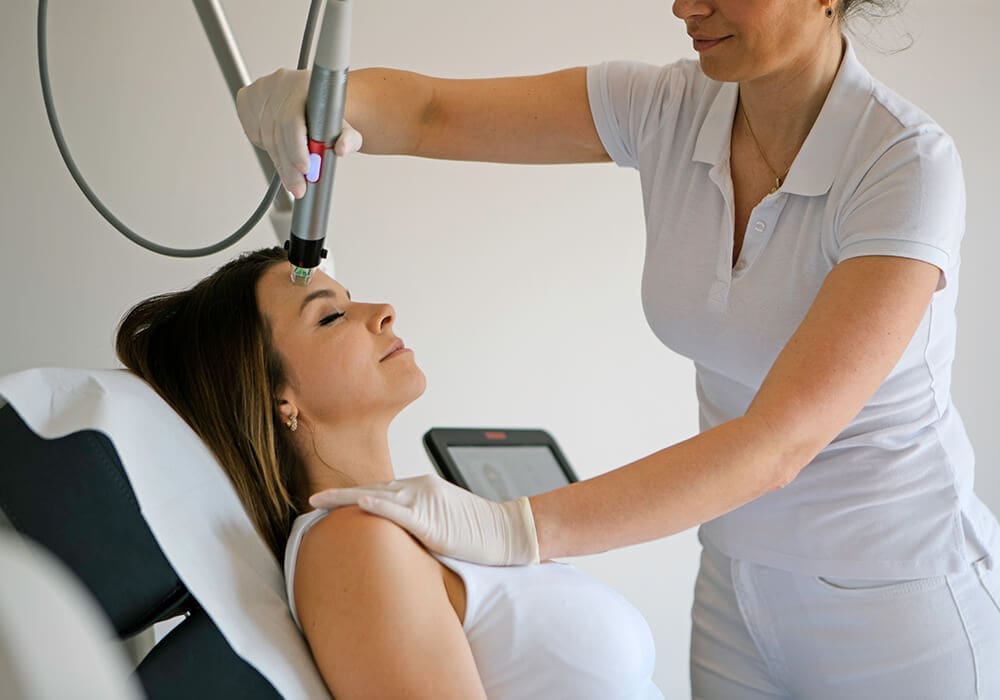
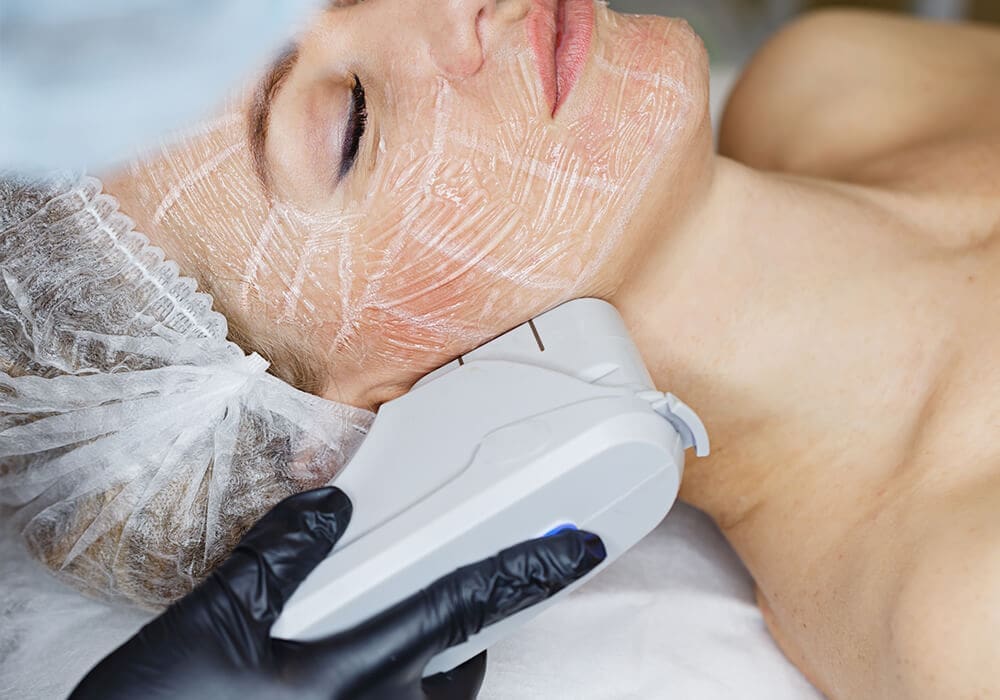
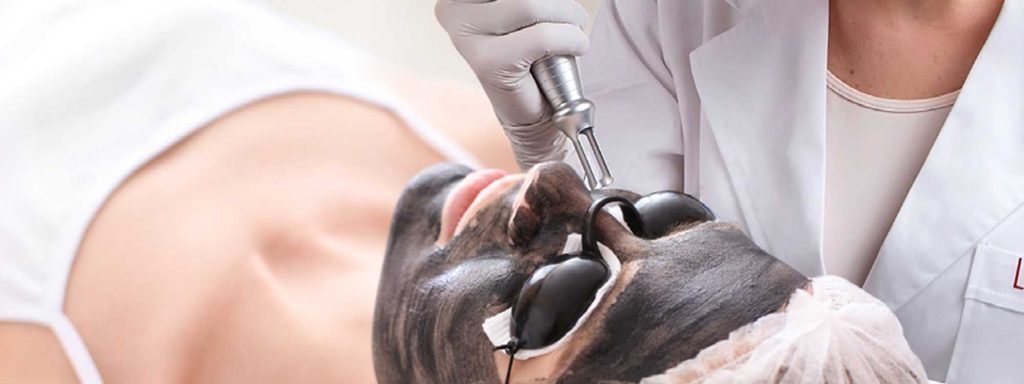
Fractional CO2 laser treatment is one of the most effective procedures for skin renewal and skin tightening, which takes advantage of the skin's ability to regenerate. However, the procedure is associated with longer regeneration time.
Red Veins (Couperose), Angiomas & Port-wine Stains
Visually bothersome clusters of small veins on the face and décolleté are very frequent. Yet they are entirely unnecessary: We can eliminate these skin anomalies quickly, simply, and safely – for flawless skin.
The Treatment Method
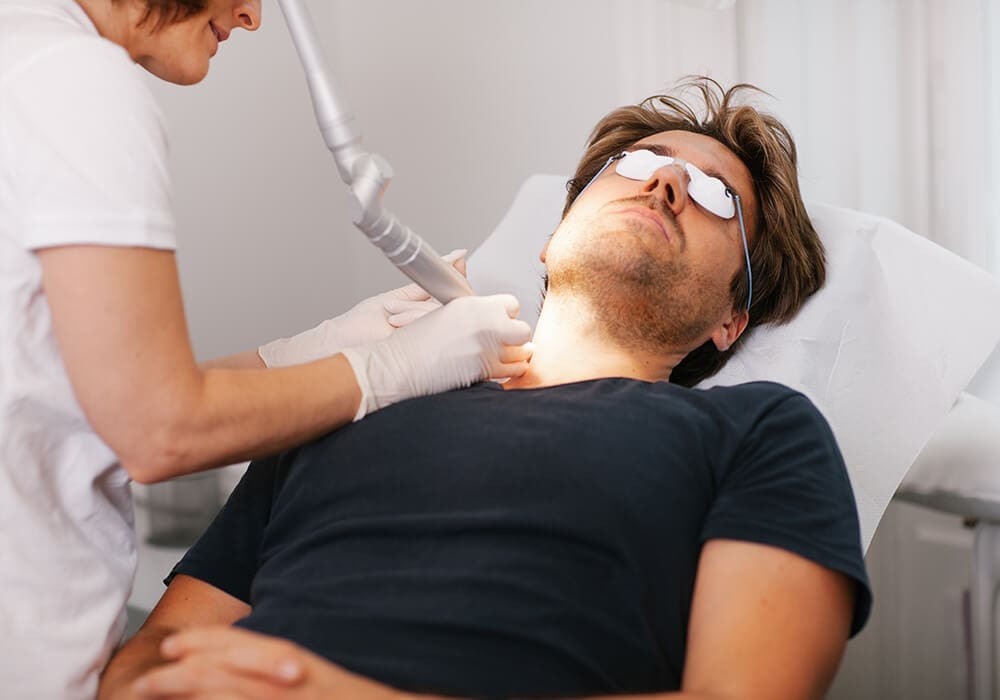
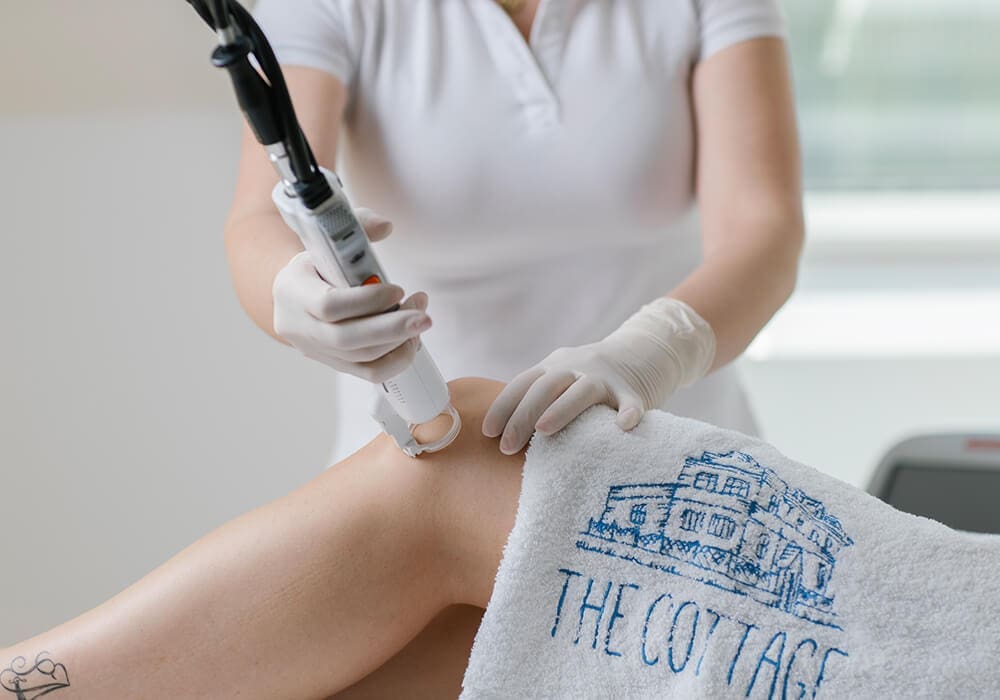
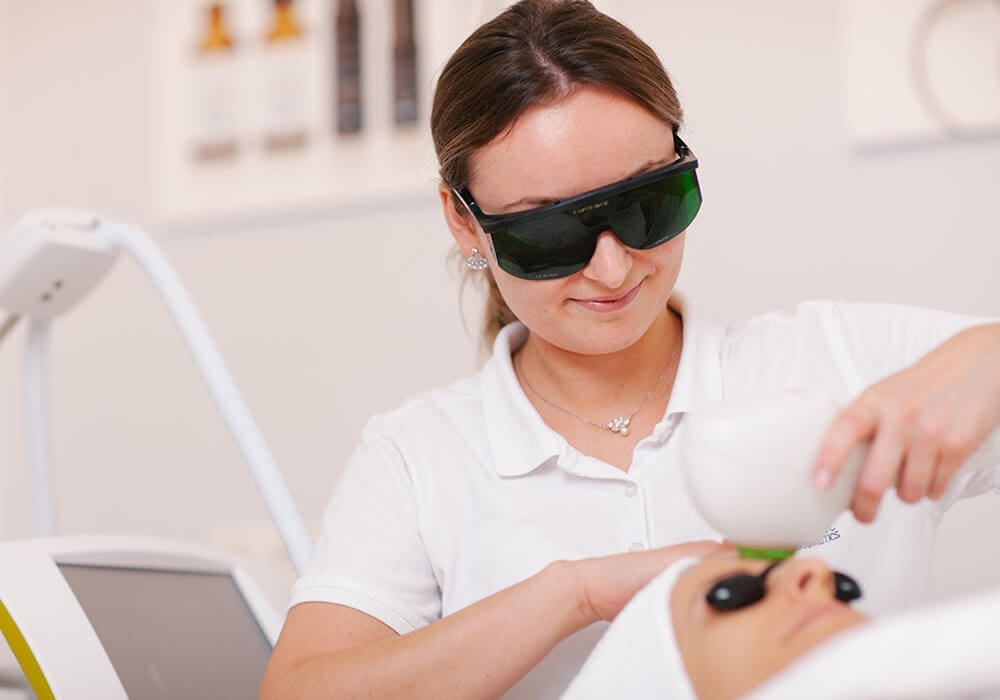
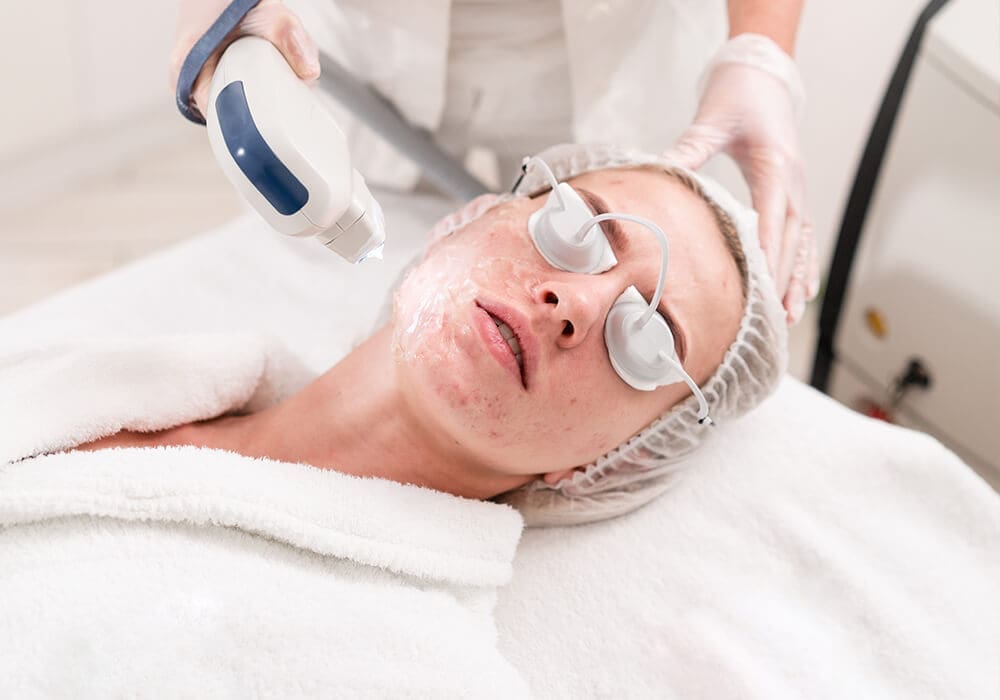
Depending on the indication, treatment is performed using a diode laser, Nd:YAG laser, or IPL. We are happy to advise you on which procedure is best suited for you:
- Individual veins and hemangiomas (angiomas) are treated directly and specifically with the laser.
- Fine and diffuse redness is preferably treated with a modern IPL device.
Procedure and Aftercare
Pre-treatment or pain relief is usually not necessary, as the pain level is very low (approx. 1–3 on a scale of 1–10). Directly after the treatment, creams should be applied to the skin as little as possible. However, as soon as the small crusts have dried, you can apply makeup and skincare products as usual. It is also important to avoid direct sun exposure afterwards.
Possible Side Effects
In rare cases, temporary reactions such as skin redness occur; blisters or fine crusts may also appear for a few days. Since laser treatment can cause pigmentation issues on tanned skin, we will clarify these risks with you in detail during the preliminary consultation.
Blue veins, hemangiomas
The treatment of thicker blue veins, which are located deeper in the tissue, is performed by us using a long-pulsed Nd:YAG laser.
Age warts
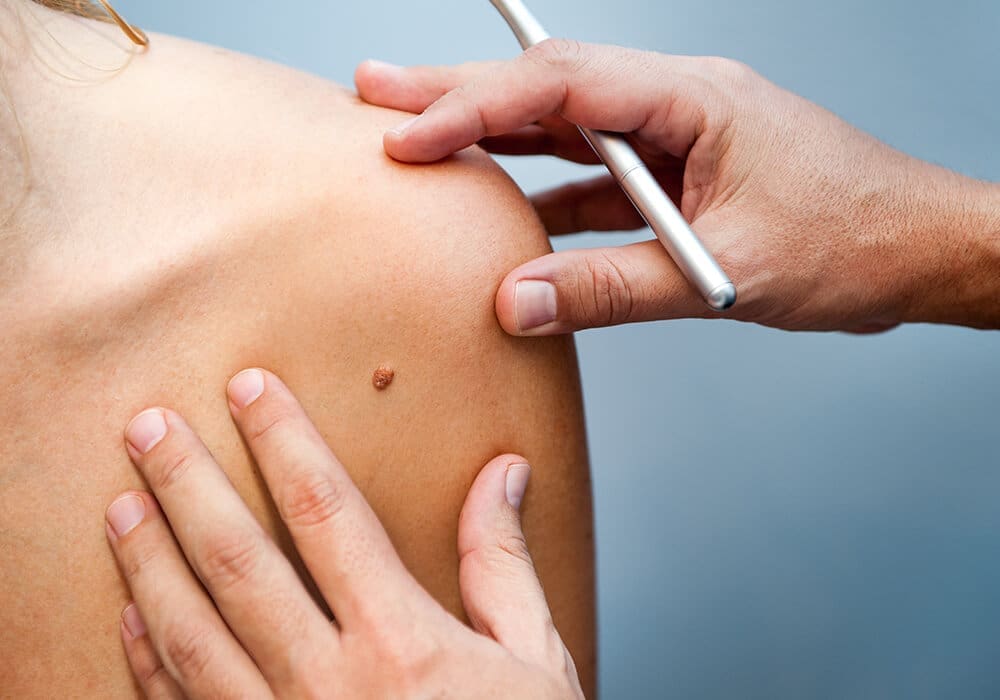
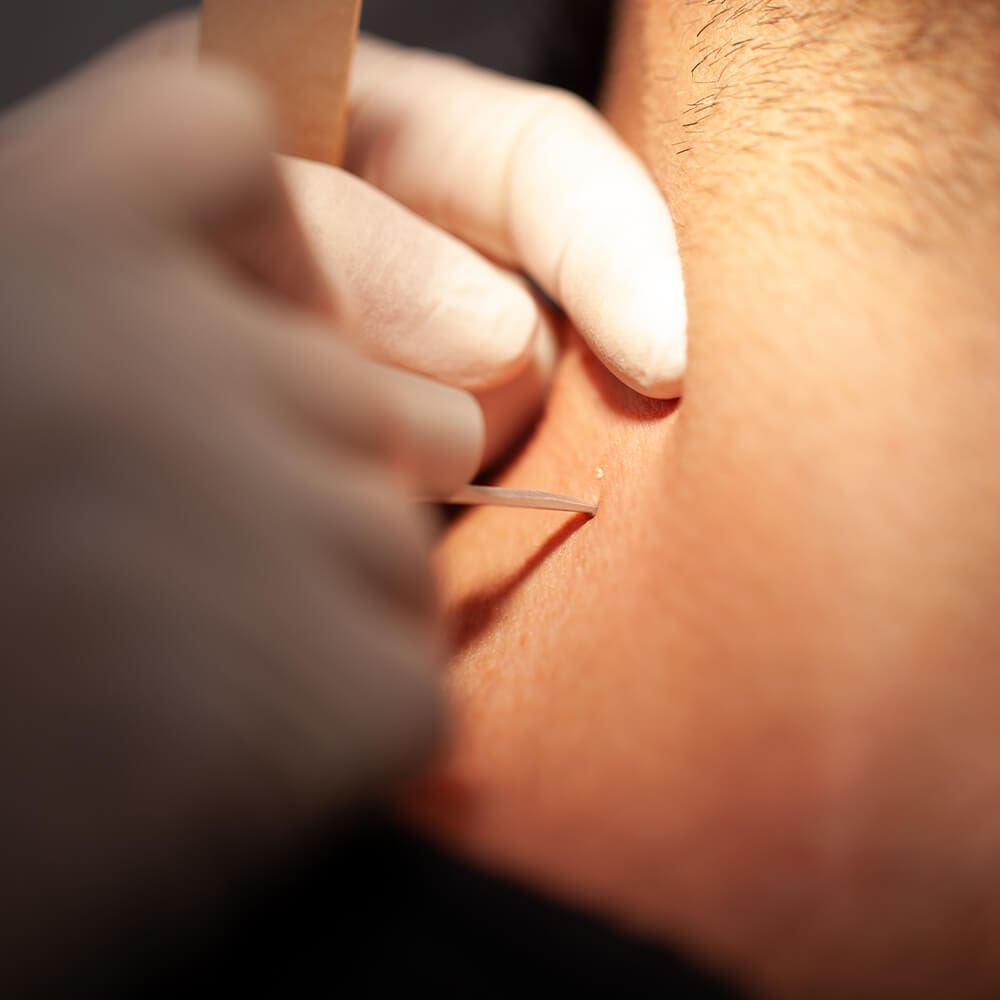
Seborrheic keratoses, also known as age warts, are ablated with an ablative laser e.g. CO2 laser.
Benign skin growths
Benign neoplasms of the skin, such as hemangiomas, fibromas, dermal nevi, etc. are treated directly with an ablative laser, sometimes with anesthetic pretreatment or analgesia. Depending on the morphology, a histological evaluation is initiated with our partner laboratory.
Spider Veins
These visible reddish or bluish venous ramifications are located directly under the skin and primarily develop on the legs. We offer removal via sclerotherapy or modern Nd:YAG laser therapy. Compression should usually be worn afterwards. We recommend scheduling 2 to 3 sessions at intervals of 4 weeks to achieve long-lasting results.
The Treatment In sclerotherapy using the sclerosant Aethoxysklerol, the agent is flushed through the small vessels. Pain relief is not necessary, as the treatment is almost painless. Afterwards, it is important to wear compression stockings during the day for at least two weeks. A follow-up appointment and potential further treatment take place after two to four weeks.
Side Effects In some cases, temporary reactions such as skin redness, swelling, and itching occur; pigmentation changes or small crusts may also appear. The risks will be clarified with you in detail during the preliminary consultation.
Frequency Spider veins are very common. Overall, spider veins or reticular varicose veins are found in approximately 60% of all adults.
Sustainability of the Treatment Professionally treated spider veins do not return, as they are destroyed and the diseased veins are broken down by the body over time. However, depending on genetic predisposition, new spider veins may form again.
Possible Symptoms Spider veins can indeed cause discomfort. This includes stinging pain, leg swelling, and tingling, as well as inflammation in rarer cases.
Melasma (Pigmentation Spots)
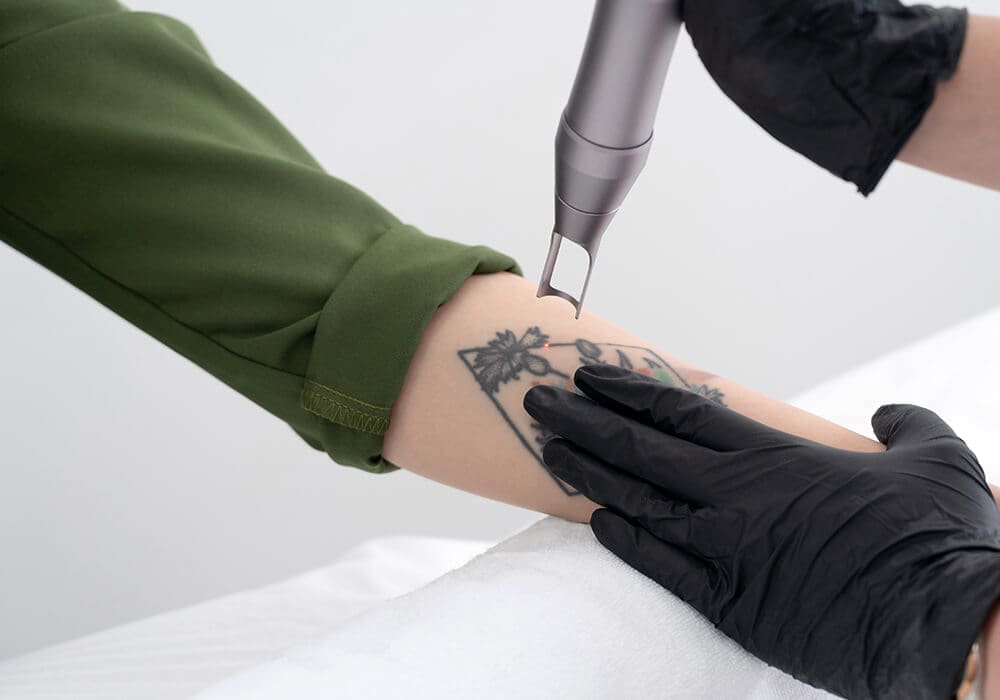
Melasma usually appears as brownish-gray discolorations on the face, often triggered by sun exposure, hormones, or genetic factors. The current gold standard in treatment is the picosecond laser, which we use at The Cottage. With ultra-short energy pulses, pigment deposits can be broken down particularly gently and effectively – without damaging the surrounding skin.